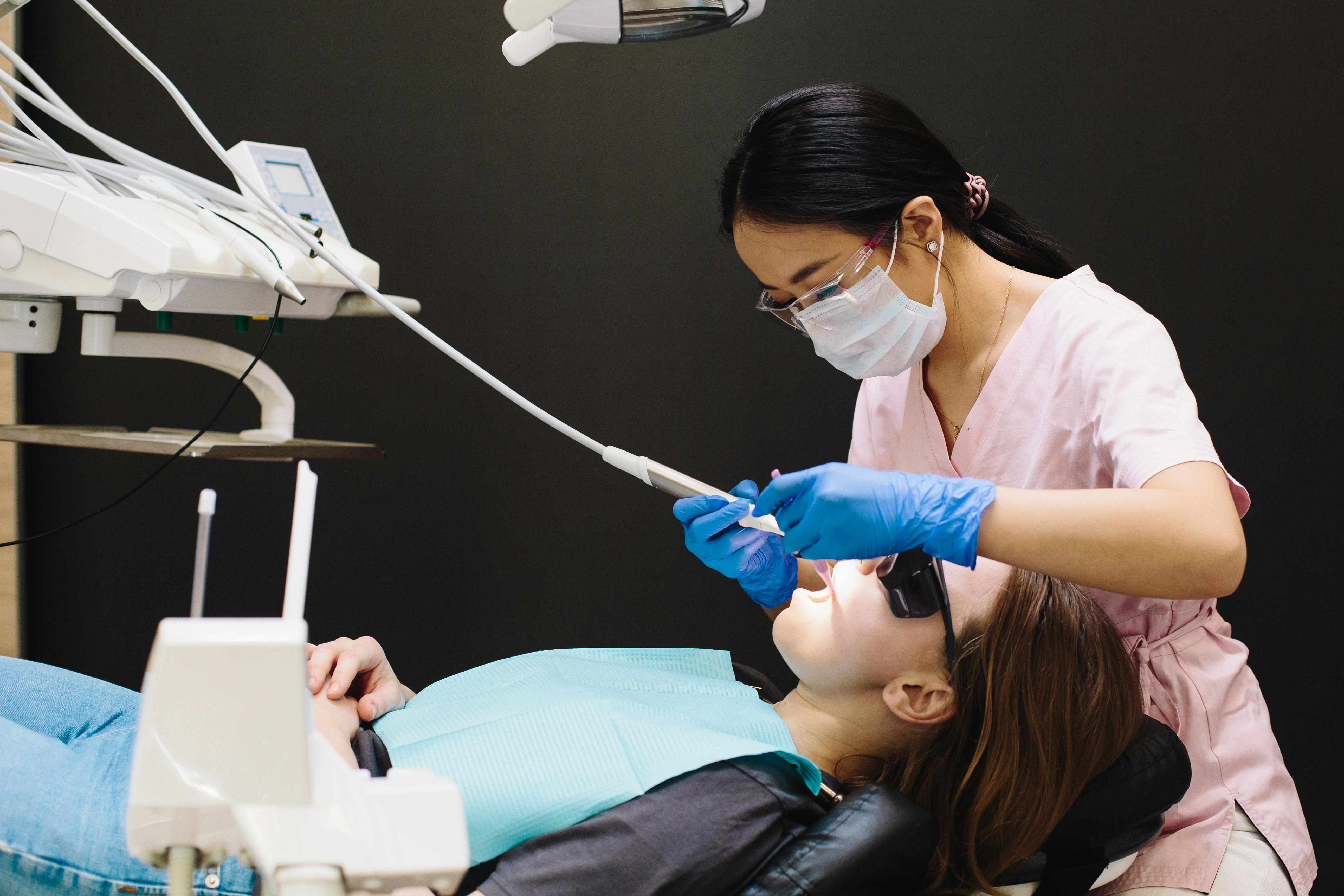
When it comes to oral health, prevention is often far simpler than treatment. Regular dental check-ups and preventive care help identify potential concerns early, allowing issues to be addressed before they become more complex, time-consuming, and costly.
While it may be tempting to delay routine appointments when everything feels fine, many dental problems develop gradually and may not cause noticeable symptoms until they have progressed significantly.
Small Problems Are Easier to Treat
Dental conditions such as tooth decay and gum disease often begin with subtle changes that can be difficult to detect without a professional examination.
Regular dental visits allow dentists to monitor your oral health and identify concerns in their early stages. Treating a small cavity, for example, is typically quicker, simpler, and less expensive than treating a tooth that has developed significant damage or infection.
Early intervention can often prevent the need for more extensive restorative treatment later on.
Prevention Saves Time
Many people associate dental visits with treatment, but preventive care is designed to help avoid treatment whenever possible.
Routine examinations, professional cleaning, and preventive treatments can often be completed during regular appointments, helping maintain healthy teeth and gums while reducing the likelihood of unexpected dental problems.
By staying proactive with your oral health, you may spend less time dealing with dental issues in the future.
The Long-Term Value of Regular Check-Ups
Preventive dentistry is not only about addressing immediate concerns. It also helps establish a long-term understanding of your oral health.
Regular visits allow your dentist to monitor changes over time, provide personalised recommendations, and help you maintain healthy habits that support lasting oral health.
This ongoing approach can contribute to fewer complications, better outcomes, and greater confidence in your smile.
Prevention Supports Overall Oral Health
Good oral health is built on consistency. Daily brushing and flossing play an important role, but professional care provides an additional level of monitoring and support that cannot always be achieved at home.
Combining healthy habits with regular dental examinations gives you the best opportunity to maintain strong teeth, healthy gums, and a healthy smile for years to come.
Looking Ahead
Preventive dentistry is one of the most effective investments you can make in your oral health. By identifying concerns early and maintaining regular care, many common dental problems can be managed before they require more complex treatment.
A proactive approach today can help save both time and money in the future while supporting long-term oral health and wellbeing.

Dr. Sakshi Arora
General Dentist