Healthcare across Australia continues to evolve as technology becomes more integrated into everyday patient care. While dentistry still relies heavily on in-person examinations and treatment, digital tools and telehealth services are helping improve communication, accessibility, and efficiency across the healthcare system.
Telehealth became widely adopted during the COVID-19 pandemic, allowing patients to connect with healthcare professionals remotely when face-to-face appointments were difficult. Since then, many healthcare providers have continued using virtual consultations to support patient education, follow-up care, and treatment planning.
How Telehealth Supports Modern Healthcare
Telehealth allows patients and healthcare providers to communicate through video calls, phone consultations, and digital platforms. For many Australians, this can reduce travel time, improve access to care, and make healthcare services more convenient.
In dentistry, telehealth cannot replace clinical examinations, X-rays, or hands-on treatment. However, it can play a valuable role in helping patients receive initial guidance, discuss concerns, review treatment options, and determine whether an in-person appointment is required.
By reducing unnecessary visits and improving communication, telehealth can help healthcare providers manage their time more effectively while making it easier for patients to access support when they need it.
Technology Is Changing Dentistry
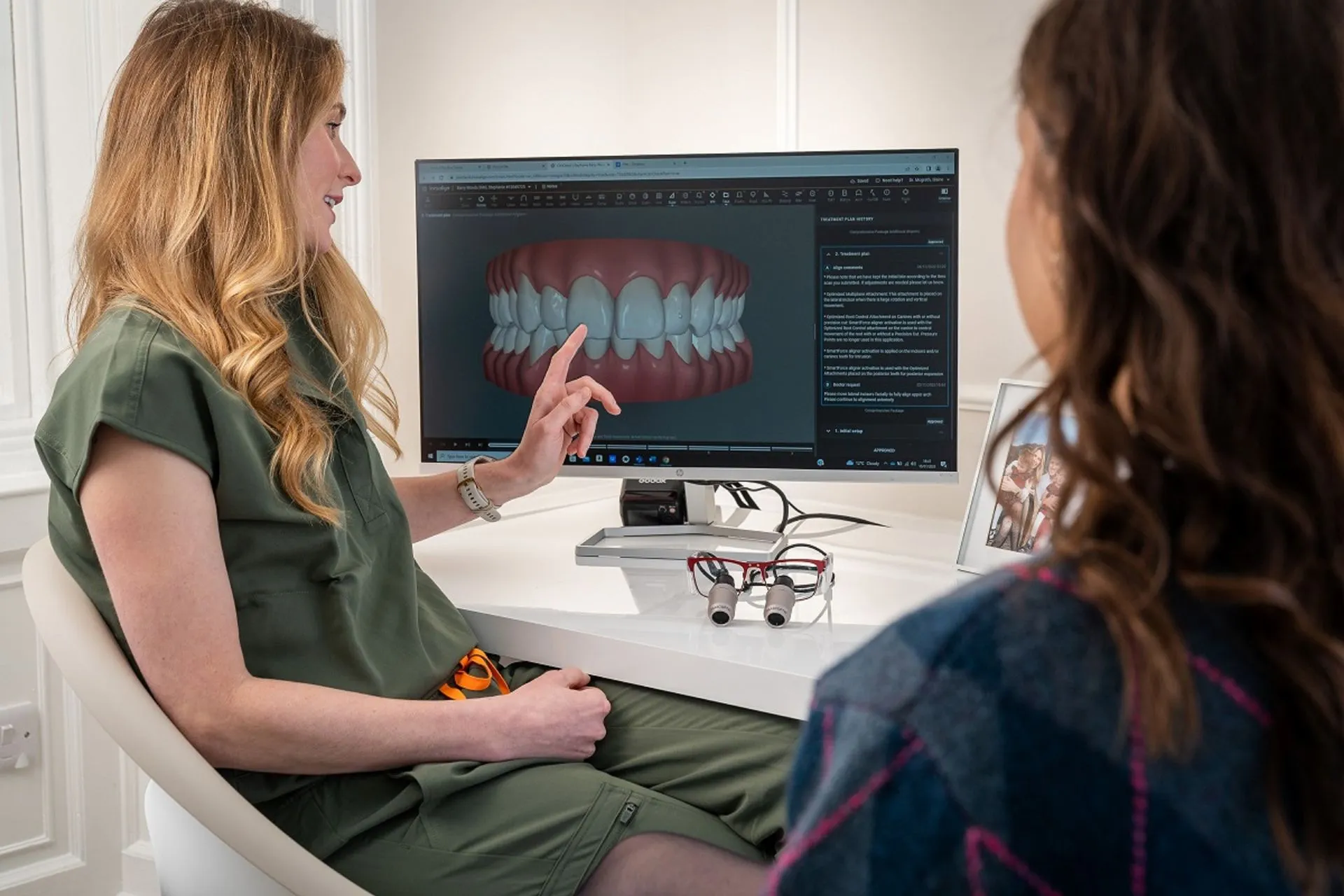
Modern dentistry continues to benefit from advances in digital technology. Tools such as digital X-rays, 3D imaging, intraoral cameras, and digital impressions allow dental professionals to diagnose and plan treatment with greater precision than ever before.
These technologies help improve efficiency while also making treatment easier for patients to understand. Digital images and scans provide a clearer picture of oral health concerns, helping patients feel more informed and confident about their care.
The Importance of Preventive Care
While technology continues to improve healthcare delivery, prevention remains one of the most important factors in maintaining good oral health.
Regular dental examinations allow potential issues to be identified early, often before they become more complex and costly to treat. Regardless of how healthcare technology evolves, Preventive Dental Care remains one of the most effective ways to protect long-term oral health and reduce the need for extensive treatment in the future.
Looking Ahead
The future of healthcare will likely involve a combination of traditional face-to-face care and digital tools that improve accessibility and communication. While dentistry will always require hands-on treatment, technology continues to make dental care more efficient, accurate, and patient-focused.
By combining modern technology with personalised care, dental practices can continue improving the patient experience while supporting better long-term health outcomes for communities across Australia.

Dr. Sakshi Arora
General Dentist